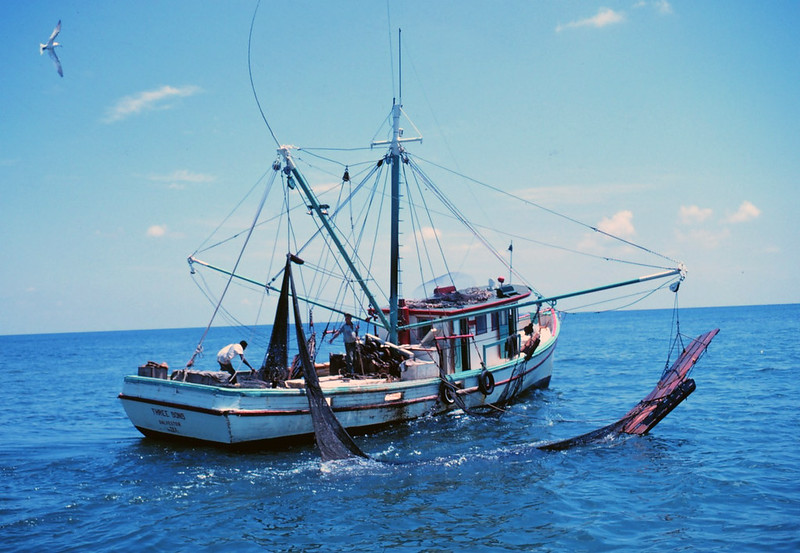
(Courtesy Photo)
By LAURIE COKER
editor@portisabelsouthpadre.com
In a letter authored by Congressman Vicente Gonzalez to Secretary Gina Raimondo and Assistant Administrator Laura Coit, grave concerns have been expressed regarding the precarious state of the Texas Gulf Coast shrimping industry.
The correspondence, credited to Gonzalez, underscores the impact of high imports, despite existing antidumping regulations, which pose a significant threat to domestic producers. Congressman Gonzalez urges a comprehensive review of the situation and advocates for a fishery resource disaster determination to provide essential relief to affected shrimpers.
The U.S. shrimp industry, a crucial component of Gulf Coast communities, is currently grappling with challenges posed by increased foreign shrimp imports. The industry, supporting more than 14,000 domestic jobs and contributing approximately $850 million in economic value annually in Texas, faces stiff competition from imports that often do not meet domestic health standards.
Statistics from the National Oceanic and Atmospheric Administration (NOAA) reveal a stark contrast between domestic and imported shrimp. Texas shrimpers harvested 6.8 million pounds of shrimp in the initial five months of this year, while the U.S. imported a staggering 800 million pounds of shrimp in the same period. The influx of cheaper imported shrimp puts pressure on domestic prices, impacting the competitiveness of local shrimpers.
Several Gulf cities and counties, including Cameron County and the City of Port Isabel, have issued disaster declarations in response to record-low shrimp prices, soaring fuel costs, and inflation. These economic challenges, coupled with labor shortages and immigration regulations, have further compounded the hardships faced by the shrimping industry.
One critical issue highlighted in the letter is the current unavailability of non-agricultural visas (H-2B) for Mexican and Nicaraguan citizens, essential members of shrimp boat crews. This limitation has led to difficulties in finding American workers willing to undertake the demanding work at sea. The resulting labor shortages significantly hinder the industry’s ability to compete with foreign imports.
Pick up a copy of the Port Isabel-South Padre PRESS, or subscribe to our e-Edition by clicking HERE!







Comments