
By MARY GRIZZARD
An alarming — although not surprising — study was just published in the March 6 issue of the journal Science, reporting that between the years 2000 and 2020, the total butterfly population across the continental United States fell by 22%. Pesticides, climate change and habitat loss were cited as the main reasons for these disturbing declines.
While the precipitous decrease of monarch butterfly populations has been well documented since the mid-1990s, (and monarch numbers did not fare well in this recent study, either) this is the first time butterfly
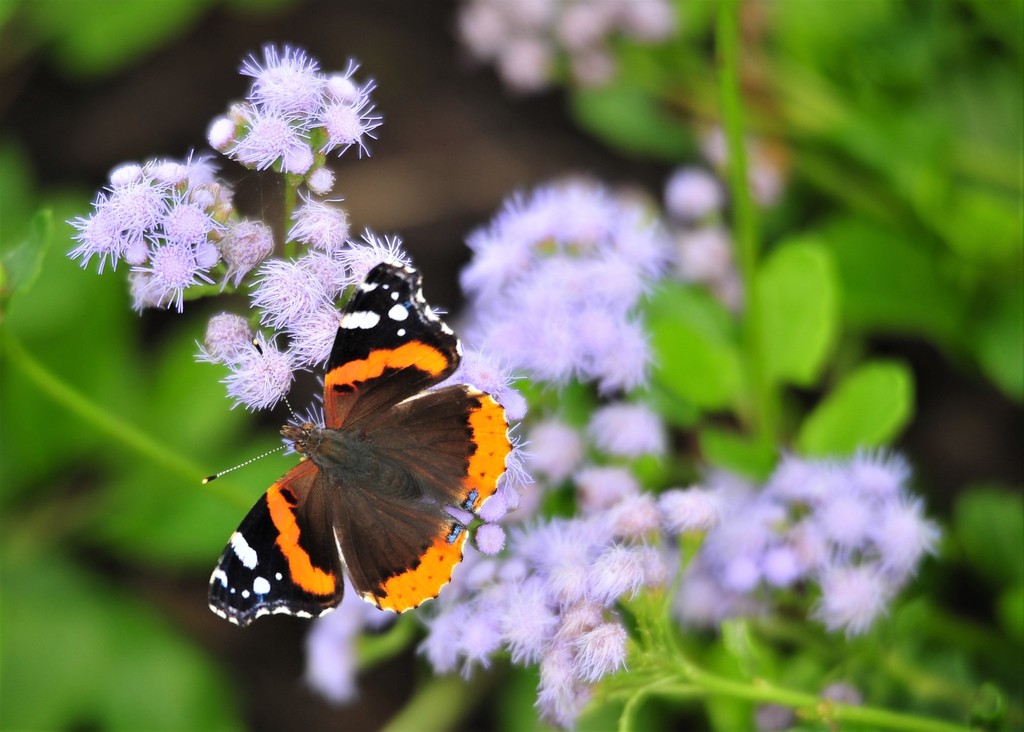
species across the board have been surveyed in the United States. The results confirm what many home gardeners and nature enthusiasts have noticed over the years: there are far fewer butterflies gracing our lives than there used to be. Two species we find in the Rio Grande Valley — the Red Admiral and the American Lady — have decreased in numbers by 44 and 58 percent, respectively.
This is terribly sobering news, not only to those of us who simply love the joy of butterflies, but also to everyone who likes to eat food. In another study, reported in the April 12, 2021 issue of Science, surprised
researchers found that in addition to bees, many butterfly species also serve as significant pollinators in commercial agriculture.
Is there anything we can do to reverse this disturbing downward trend? The good news is yes, there is quite a lot. The editorial summary in the March 6 Science stated, “Many insects have the potential for rapid
population growth and recovery, but habitat restoration, species-specific interventions, and reducing pesticide use are all likely needed to curb population declines.” And while some of the needed interventions may be beyond the scope of everyday citizens, habitat restoration is something everyone who has a small yard or even a patio on which to set out flowerpots can do.
What are the best native plants to nurture butterflies in the Rio Grande Valley? Happily, the list is a long one. We have featured several species in previous Native Plant News columns — among them Padre Island
Mistflower, Turk’s Cap, Seaside Goldenrod, Fiddlewood, Cenizo — but comprehensive lists can be found online and by contacting local native plant nurseries and the RGV Pollinator Project. An extensive list of host
plants for butterflies (those plants upon which butterflies lay their eggs and upon which their caterpillars feed) found in the RGV can be obtained online at texasento.net. Even growing just a few of these native plants can have a significantly positive impact in restoring butterfly habitat. And imagine if everyone in the neighborhood did the same!
Most of us have delightful memories of chasing butterflies in our childhood. Maybe we even captured a monarch caterpillar and watched in awe and wonder as it metamorphosed into a spring green chrysalis with
golden dots and then emerged as a glorious orange and black-winged beauty. We long for our children and grandchildren to be able to have those same cherished experiences. Whether they will, or not, is really up to
us.







Comments