By R. LEWIS
Landscaping in our region of the lower Laguna Madre, consisting of Laguna Vista, Port Isabel and South Padre Island, requires plants that are basically tough enough to take it.
Our region is considered a hyper-saline region and the lower Laguna Madre waters are saltier than most other regions along the Gulf Coast. Therefore, our soils are the same – salty, and any plant considered to be included in a landscape here needs to be high on the list of salt-hardy plants.
Landscaping for 30 years in this region, I have a small list of favorite plants that I use in landscaping projects that are native to the harsh conditions, including not just salt hardiness, but near-constant winds, blowing sand, long periods of drought, scorching sun, and highly alkaline-clay soil or beach sand.
Most of these plants are well known here, but a few may be new to some of our local gardeners. Here, with a brief description, are my favorite native plants for landscaping in the South Padre Island region.
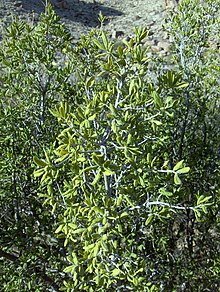
TEXAS SAGE—“Cenizo” is a gray/green plant that is also known as the “Barometer Plant.” It blooms mainly before the rain and sometimes after, reacting to changes in the barometric pressure. I like to use these as color accents, mainly due to the bright grayish color. The blooms are just icing on the cake. The Texas Sage is a very tough landscape shrub.
PADRE ISLAND MIST FLOWER—a native betony, grows out in the sand dunes as well as in the brush county along the Laguna Madre Bay. Nothing beats this spreading plant that blooms blue flowers most of the year. This pretty blue-blooming plant is also used as a color accent in the garden. Butterflies love it.
AGAVE AMERICANA—“Century Plant” is native to South Texas & Mexico. These popular plants are often requested to be included in landscaping designs. These plants can be downright dangerous and are designed to be located well away from pedestrian traffic areas and walkways. Agave plants are popular throughout the Southwestern states and over the past few years I have started using many other varieties in designs; I especially like adding popular new dwarf varieties that do quite well here and even look good in tropical landscapes.
NATIVE TURKS CAP—This is a red blooming plant that survives the shade and is found growing underneath the canopy of the dense brush country. It’s hard to find something that will thrive in the shade and Turks cap definitely work for that location.
TEXAS LANTANA AND SCARLET SAGE—I will include these two together as “good color plants.” Texas Lantana can often be seen growing along the highways. Your eye is quickly drawn to the bright orange flowers within the other native plants. The native Lantana grows large about 5’x 5’, so these are best used as background plants. Mixing popular low and medium-growing hybrid Lantanas in front of the taller native variety adds color to the landscape that is unmatched. The Scarlet Sage (Salvia Coccinea) grows about two to three feet in height quickly and is nearly always full of bright red blooms. These can grow so thick over the years that you almost need to thin them out each spring.
Another pairing of two plants for that Southwest landscape is the native YUCCA TRECULEANA or the roadside Yucca with the large white plumes in spring and the PRICKLY PEAR CACTUS. Planted close to each other, they look awesome in our regional landscapes and fit right in alongside these other native plants.
NATIVE TREES—A couple of native trees that I like and use in local landscapes are the native Texas Persimmon tree and the Tenaza tree. When I was working a lot over at the Sheepshead Birding lot on the Island, I fell in love with two Tenaza trees that are over there. I since have one growing in the backyard xeriscape. They grow fast and are popular with birds and especially butterflies.
Want the whole story? Pick up a copy of the South Padre Parade, or subscribe to our e-Edition for FREE by clicking here







Comments