By DIANTÉ MARIGNY
editor@portisabelsouthpadre.com
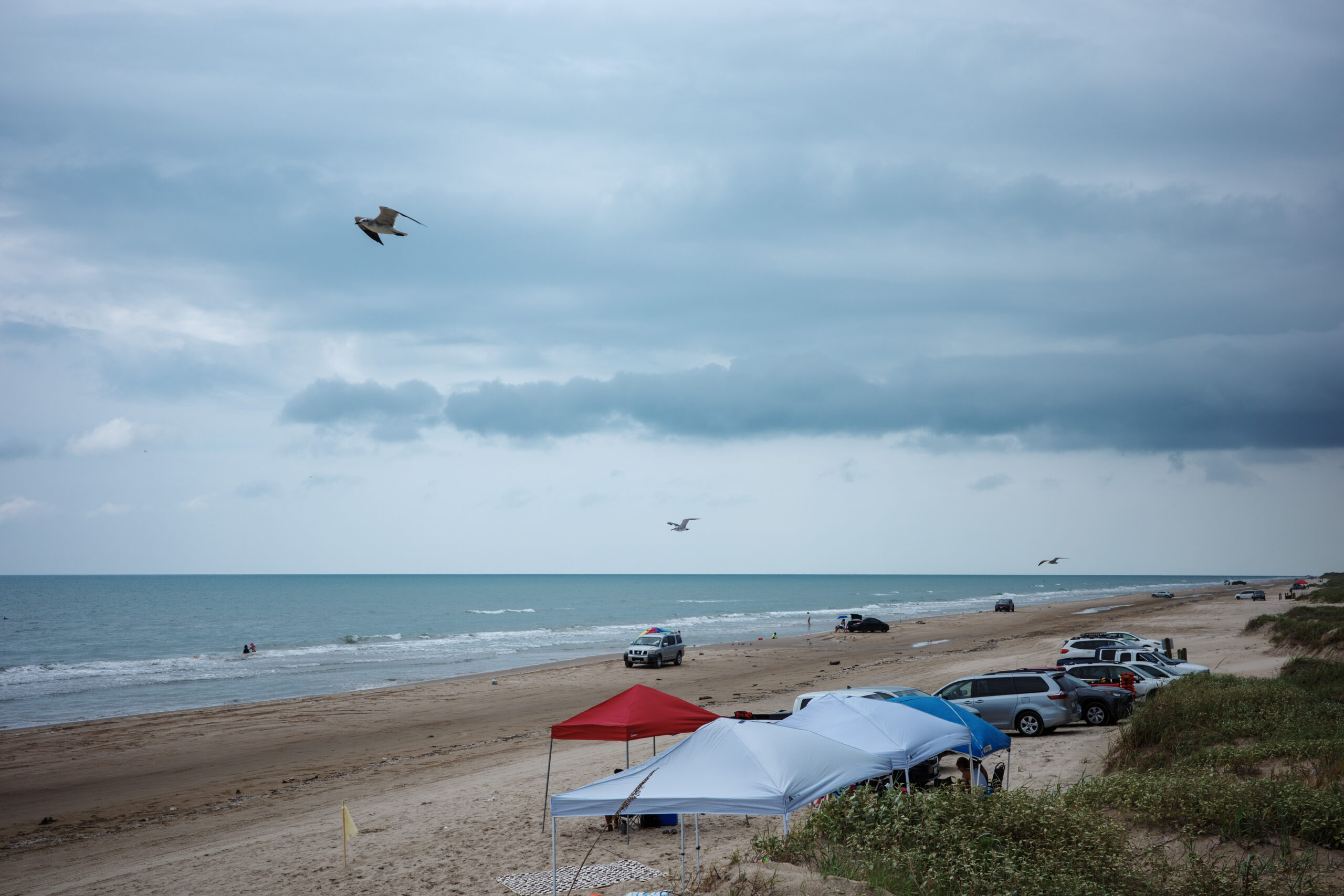
After months of grassroots opposition, community rallies, and late-night calls to lawmakers, the fight to preserve public control over access to Boca Chica Beach has ended in defeat, for now.
Senate Bill 2188, a companion to House Bill 4660, passed in the final days of the Texas legislative session, transferring weekday authority over Highway 4 closures from Cameron County to the newly incorporated town of Starbase—a town financially backed by SpaceX. This single road provides the only public access to Boca Chica Beach, long regarded as a cultural, ecological, and recreational treasure for residents across South Texas.
“This was never about stopping launches,” said Rob Nixon, Vice Chair of the Surfrider Foundation South Texas Chapter. “It was about ensuring the people who’ve surfed, fished, and loved this beach for generations could still reach it without having to ask a private company for permission.”
Until now, county officials controlled closures, coordinating directly with SpaceX for spaceflight activity.
Under the new law, Starbase—largely populated by SpaceX employees—can now shut down access Monday through Thursday. Cameron County retains control on weekends.
The bill was narrowly rejected by the House State Affairs Committee on April 28, but passed in a dramatic reversal two days later after absent lawmakers returned for a revote. The legislative maneuver was seen by many in the community as a betrayal of due process and public trust.
“It is with great sorrow and frustration that we have to announce we lost our campaign,” the Surfrider Foundation South Texas Chapter wrote in a public statement released shortly after the bill’s passage. “The Legislature suspended its own rules at the eleventh hour. It was cowardly and dishonest.”
The group credited community members—surfers, fishermen, beachcombers, and families—for making hundreds of calls to legislators and defeating similar language in seven separate bills throughout the session.
But they say this final defeat was delivered through backroom dealings and procedural shortcuts that silenced public voices.
Proponents of the bill, including State Representative Jamie Lopez and Senator Adam Hinojosa, maintain that the measure does not increase the number of allowable beach closures and still protects public rights under the Texas Open Beaches Act.
“This bill is not taking the Boca Chica beach away from the public,” Rep. Lopez said. “Public access will continue to be protected… and [the new town] is still subject to County, State, and Federal laws.”
But opponents argue that the concentration of power in a company town—created, populated, and financially backed by the very corporation the law now benefits—is a dangerous precedent.
“They’re calling it streamlined. We’re calling it a giveaway,” Nixon said.
Despite the setback, Surfrider chapters across Texas say they are not giving up.
“We will find other avenues to get this reversed,” their statement reads. “A huge Texas-sized mahalo to all of ya’ll. We fought the good fight. Babe Schwartz and Bob Eckhardt, the authors and advocates of the Texas Open Beaches Act, would be so proud of ya’ll.”
As Boca Chica’s future becomes increasingly tied to the ambitions of a private space enterprise, the question remains: Can economic growth and public stewardship coexist—or must one always eclipse the other?
For now, the tide at Boca Chica has turned. But for many who love and defend the People’s Beach, the next wave of resistance is already forming.








Comments