
By Steve Hathcock
Is there a fortune hiding beneath the sands of South Padre Island? Lately, a wave of curiosity has hit our readers: could a simple stroll along the shore lead to a piece of Ambergris—the legendary “Floating Gold” of the sea?
To find the truth, I sat down with our resident whale expert, Kay Lay. What she revealed is a story of biological mystery, ancient royalty, and the sheer power of the ocean.
The journey begins in the dark depths of the Gulf. Sperm whales feast on squid, but the razor-sharp, indigestible beaks of their prey wreak havoc on the whales insides. To protect itself, the whale’s body produces a raw, waxy shield. For centuries, we believed this “gold” was vomited up. However, science now offers a second and more visceral origin: sometimes it is ejected from “points further south,” beginning its long, lonely transit across the waves.
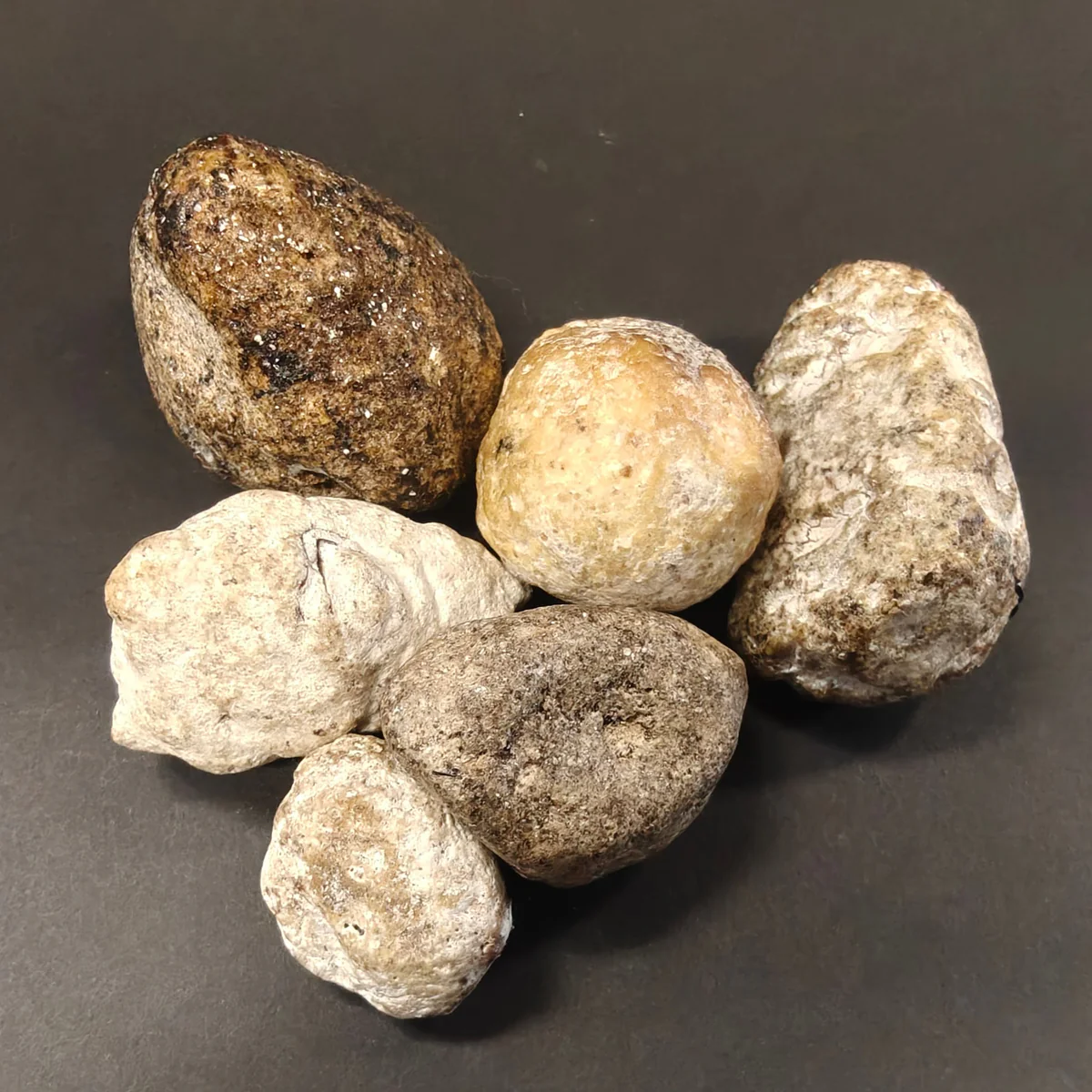
When it first leaves the whale, it is dark and raw. But as it floats for months—or even years—the sun and salt work a miracle of alchemy. The substance matures, hardening into a light gray treasure.
You might not see them, but they are there. Most locals are stunned to learn that over 1,700 giant sperm whales patrol the waters of the Gulf of Mexico. With these titans nearby, the dream of finding a rare piece of ambergris isn’t just a fantasy—it’s a statistical possibility for any lucky beachcomber.
Why the obsession? The perfume industry craves ambergris for its near-magical fixative properties. Rich in pheromones—the invisible chemical language of attraction—it has been sought after by history’s most powerful figures. King Louis XV flavored his royal feasts with it; Queen Elizabeth I wore it on her gloves to command the air around her. It was touted as a potent aphrodisiac, a scent that speaks directly to the soul.
But such value carries a dark side. Because the demand is so high, greedy whalers once bypassed the tides entirely, going straight to the source in a ruthless hunt for the “Floating Gold.”
Next time you find a strange, gray stone on the sand, don’t just kick it aside. You might be holding a piece of history, a relic of the deep, and a literal fortune.
Editor’s note: In the United States, the laws surrounding ambergris are far stricter than in many other parts of the world. While international bodies like CITES often classify it as a “waste product,” the U.S. government takes a “hands-off” approach to anything derived from a marine mammal. If you find ambergris on a U.S. beach, including South Padre Island, federal law generally prohibits you from keeping or selling it. Two major statutes create this barrier:
Endangered Species Act (ESA) of 1973: Because sperm whales are listed as endangered, it is illegal to engage in commercial activity or trade involving any product derived from them.
Marine Mammal Protection Act (MMPA) of 1972: This act broadly prohibits the possession, sale, and transport of any marine mammal product within the United States.
While you might see people collecting seashells or sea beans on Texas shores, ambergris falls into a different category:
On North Padre Island (the National Seashore), it is strictly illegal to remove any natural resources—living or dead—except for specific shells.
If you believe you’ve found ambergris, authorities like NOAA Fisheries recommend reporting it to a Stranding Network Coordinator. While you cannot profit from it, your find could be valuable for scientific research.
The legality of ambergris varies wildly by country: In the UK, Canada, and the EU, ambergris is viewed as an “excretion” (like waste) rather than a whale product, making it legal to find and sell. In the U.S., Australia, and India, possession remains a violation of national conservation laws.









Comments